This Year's Top Score Came From 1998
The remake of The Legend of Zelda: Ocarina of Time has earned a Metacritic score of 96, the highest of any game released this year so far. The 1998 original still holds the all-time top spot at 99. Auto-jump became a button, and a warp point was added and then removed. The blueprint of this year's front-runner was drawn 28 years ago.
AI Summary
The remake of The Legend of Zelda: Ocarina of Time, released on November 5 as a Nintendo Switch 2 exclusive, holds a Metacritic score of 96 as of November 4, the highest of any 2026 release so far. The 1998 Nintendo 64 original still holds the all-time record at 99. The remake rebuilt the game from scratch, changing jumping, graphics, music and voice acting while keeping the dungeon mechanisms largely intact.
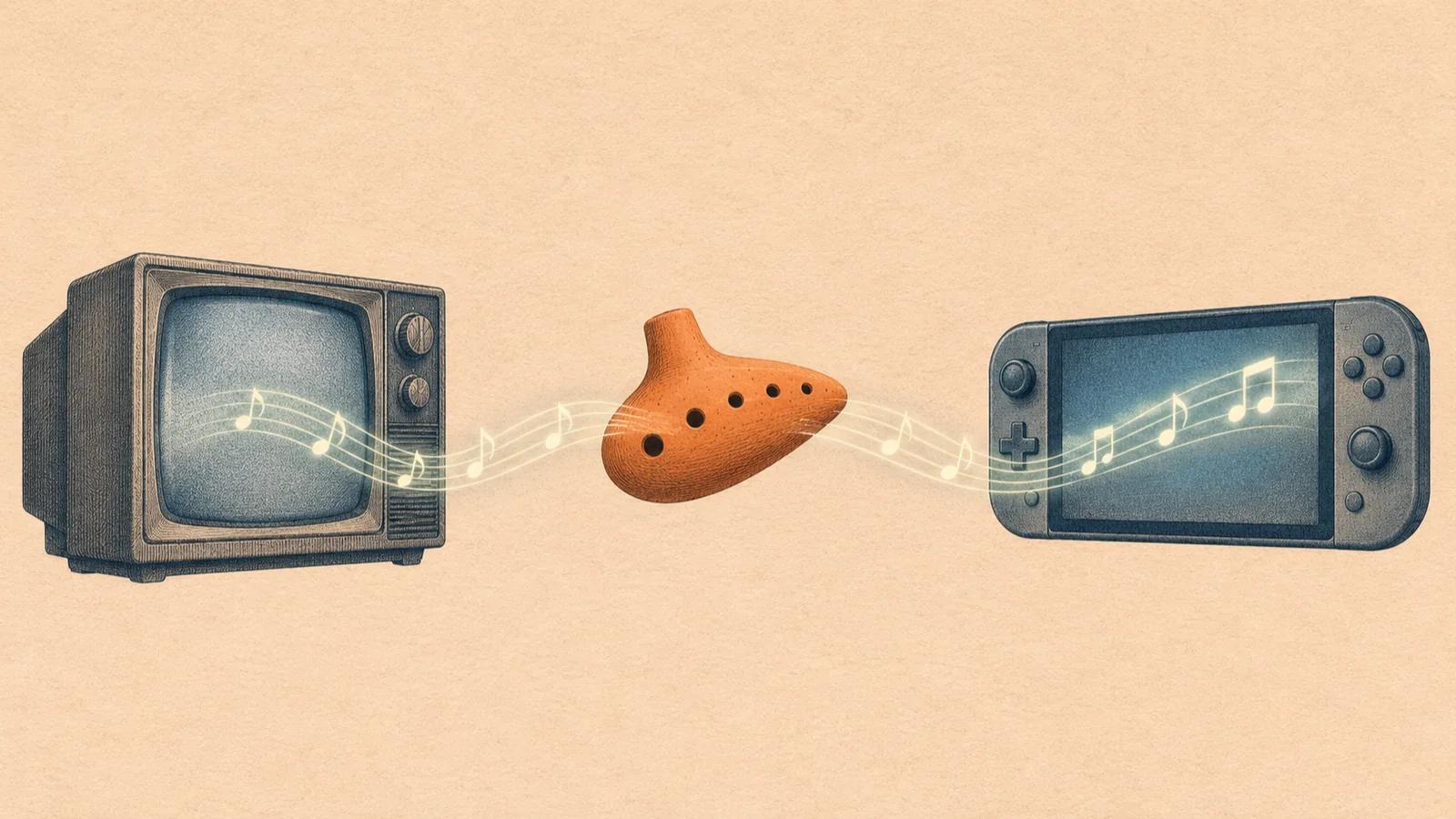
Picture a child in November 1998, sitting in front of a CRT television, playing ocarina melodies with the buttons of a Nintendo 64 controller. Twenty-eight years later, that child can hum the same melody into the microphone of a Nintendo Switch 2. Playing a real instrument works too.
The Legend of Zelda: Ocarina of Time returned on November 5 as a Switch 2 exclusive. Its Metacritic score the day before launch is 96, the highest of any game released in 2026 so far. In other words, the blueprint of this year's front-runner was drawn in 1998.
The scene also exists because the bar is so high. The Nintendo 64 original still holds the all-time top spot on Metacritic with 99. The remake took this year's lead with a score three points below the original. The original still serves as the ceiling of this tally.
Nintendo rebuilt this remake from scratch. In the Ask the Developer interview series, the team said they had to make everything new this time. The biggest change is how it feels in the hand. In the original, you jumped automatically at the edge of a ledge. The remake puts jumping on a button, and you can jump anywhere. For jump attacks, you can use either the one-button method or a two-step method in the style of Breath of the Wild. Hold the roll button to run, and the camera turns freely. Ranged weapons such as the bow are aimed with buttons or motion controls.
What you see and hear has changed too. The graphics were fully replaced, and the music was reworked for a full orchestra. Cutscenes now have voice acting and more dialogue. A new tapestry feature, Threads of Time, collects story scenes for viewing.
| 1998 original | 2026 remake | |
|---|---|---|
| Jumping | Auto-jump | Button jump, anywhere |
| Ocarina | Played with controller buttons | Buttons, or humming into the microphone or playing a real instrument |
| Cutscenes | Text dialogue | Voice acting and expanded dialogue |
| Dungeons | Original mechanisms | Mechanisms kept; layouts and wall placements refined |
More interesting is what they left alone. The dungeon mechanisms were kept essentially as they were, with the layouts and wall placements refined. Item switching became easier, and the Water Temple, notorious for its difficulty in the original, was reworked as well. Series producer Eiji Aonuma said that during development a warp point was added and then removed again. It is a trace of how long the team deliberated over what not to add, as much as what to add.
The blueprint of the game with the highest score of the year so far was drawn 28 years ago.
Critics' praise mostly points one way: the game carefully rebuilds the original with respect. According to Inven, reviews cited graphics at the top level for the Switch 2 as a major strength. GameSpot gave it 9 out of 10, saying that some rough edges were smoothed and others were left as they were. Game Informer described it as a fairly honest recreation, though a very well made one. The disappointments come from the same place. Inven reported that some reviews said there is little that is new because the game leans on the original's polish.
This year is the 40th anniversary of The Legend of Zelda. What Nintendo brought out in that year was the game that first established the series' 3D grammar. Mechanics such as locking onto an enemy as a target took hold in this game. That design has been scored again by 2026 standards of hand feel and is still leading the year. The 28-year-old game has redrawn the baseline that this year's other releases must clear.
The price is $59.99 for the North American digital edition, and Korean is supported. In 2027, Young Link and Young Zelda amiibo will arrive, unlocking in-game masks.
This article was automatically translated from the Korean original by AI. For the authoritative version, read it in Korean.
한국어 원문 읽기 →