Unity 7 Has Stopped Being an Engine
Unity unveiled Unity 7 at Unite Seoul 2026. Rather than an engine update, it's a declaration of an AI-native platform connecting everything from development to ad operations. Supercent revealed a 24-hour development system where AI reviews code overnight.
AI Summary
Unity introduced Unity 7 at Unite Seoul 2026, repositioning itself as an AI-native platform that integrates development, distribution, service operations, and growth rather than just a game engine. The platform features AI agents that handle code reviews overnight and automate ad operations, with Korean studios like Supercent demonstrating 24-hour AI-powered development workflows. Unity Korea held the first global Unite series event in Seoul, attended by approximately 2,900 developers.
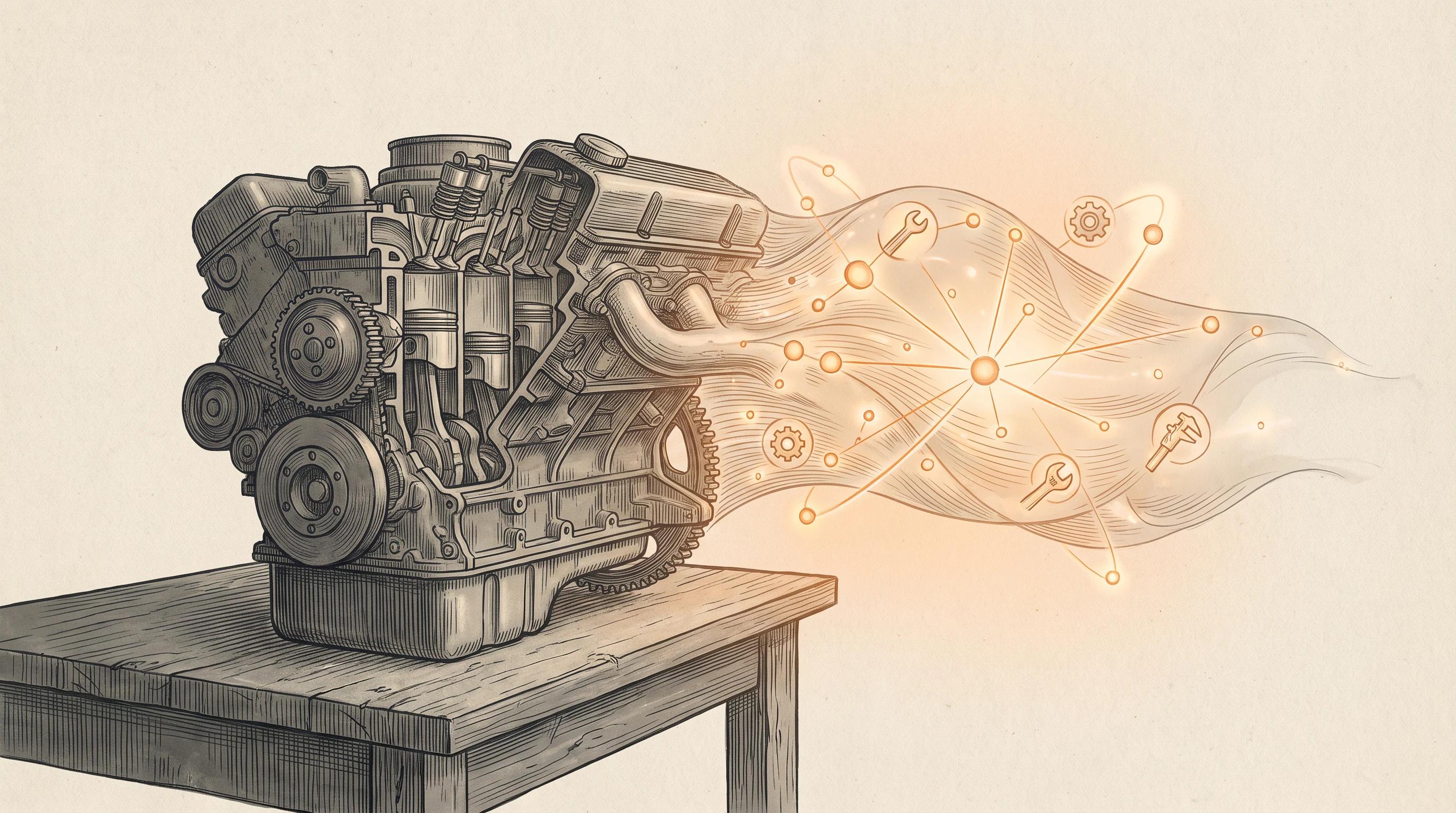
The synonym for game engines has stopped calling itself an engine. Unity held Unite Seoul 2026 at COEX in Seoul on the 21st and unveiled its next-generation version Unity 7 for the first time. Rather than an update polishing existing features, it's a repositioning as an AI-native platform that connects development, distribution, service operations, and growth into one. The first event of this year's global Unite series was held in Seoul. Approximately 2,900 domestic and international developers gathered.
The announcement has three pillars. The engine has been opened to allow collaboration tools and AI agents to plug in directly, and new APIs and CLI enable development workflows to run outside the editor. On the monetization side, the Grow platform integrates Unity Ads MCP and Campaign Assistant to have AI handle ad operations. Launch timing and pricing have not yet been announced.
| Engine Era | AI Platform Era | |
|---|---|---|
| Development Approach | Humans working inside the editor | AI agents working inside and outside the editor |
| Scope | Development tools | From development to deployment, operations, and advertising |
| Monetization | Manual campaign management | Automated by Ads MCP and Assistant |
What drew more attention on stage were real-world cases from Korean development studios. Hypercasual powerhouse Supercent revealed its AI-native methodology. It's an approach that redesigned the entire production process around AI. They run a 24-hour development system where developers collaborate with AI code agents during the day, and at night an AI called Nightcoder reviews code. Thousands of play simulations are performed by AI players. The principle is to leave repetition to AI and have people focus on fun. Mint Rocket CEO Hwang Jae-ho, Line Games Executive PD Kim Ju-bok, and Actionfit CEO Park In-hu also took the stage to share their respective production expertise.
The Korean developer community is an important partner that adopts new technologies first and actively provides feedback.
These are the words of Song Min-seok, CEO of Unity Korea, at the event. It's also the reason why the first global Unite was held in Seoul. From a founder's perspective, the calculation is clear. If the engine absorbs ad operations and code reviews, the fixed cost structure of small teams drops once again. Much of the work that took a four-person team seven years is now compressed. Unity 7 is a declaration that the engine company will hold the handle of that compression.
This article was automatically translated from the Korean original by AI. For the authoritative version, read it in Korean.
한국어 원문 읽기 →